

I am currently in Rome to give a lightning tour of ancient remains. The fixed starting point is the Pantheon (and I will report on that when I have done the visit) but after that I can take my group anywhere I want, but I have only just over an hour.
One option was to get into a van and speed off to some other big monument or museum. But that would have meant my group spending half the allotted time in a car. So I have opted instead to explore the area around the Pantheon on foot. It’s in the middle of the ancient Campus Martius – which for the first centuries of the city of Rome remained open ground (the “Field of Mars” was where armies mustered) but became the prime area of grandiose architectural development from the first century BCE on.
The Pantheon (first built under the emperor Augustus and rebuilt under Hadrian) was part of that development and it still stands in more or less its ancient, Hadrianic form. That survival can largely be put down to its conversion into a church in the seventh century CE. Most of the other ancient buildings have to be hunted out among the later buildings in the area. For the Campo Marzio, as it later became, was also the prime place for Renaissance building, which sometimes obliterated the earlier structures, sometimes incorporated them in very different ways. The fun is sniffing out the traces of antiquity surviving in the later city.
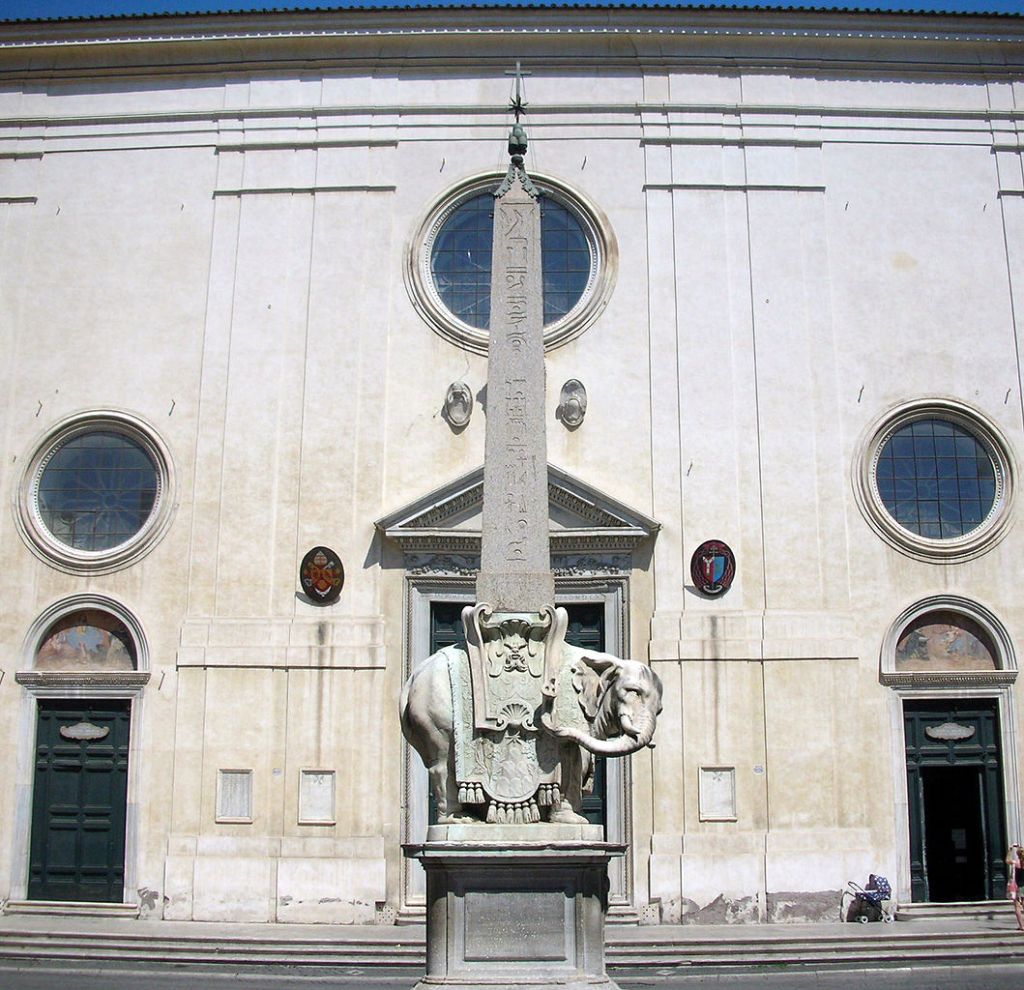
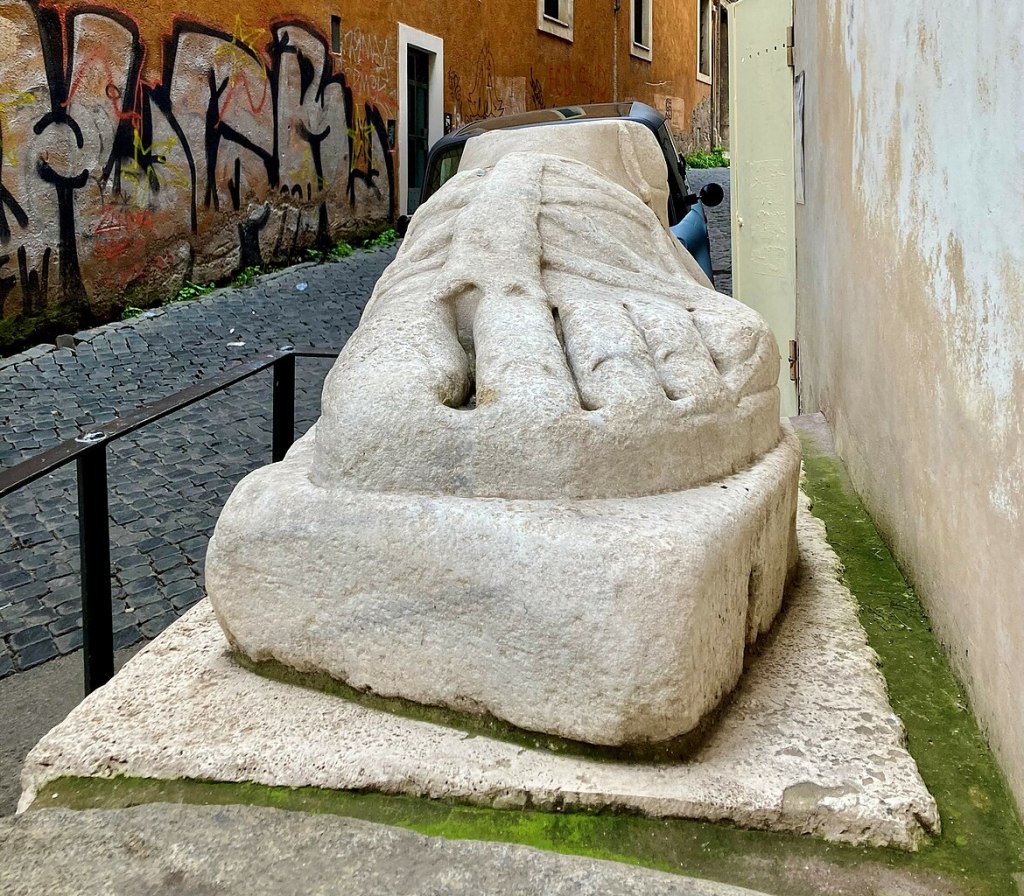
I’m giving you my route here, which you can easily follow from a Rome city plan (it is only an hour’s walk). We start just next to the Pantheon at the church of Santa Maria Sopra Minerva (“above Minerva”). It may or may not have something to do with a shrine of Minerva, but it was certainly built on top of a sanctuary of the Egyptian deities Isis and Serapis, and there are bits of that still visible. The most famous is Bernini’s “elephant”, carrying a relatively small obelisk on its back. That obelisk must have been part of the sanctuary’s decoration. But there is more. If you go along the Via del Pie di Marmo (“Marble Foot Street”), you will find exactly that – a large ancient marble foot – on the pavement. It is very likely the foot of the cult statue of the god Serapis (it looks like a male foot, so Serapis rather than Isis).
We then move on to the Piazza di Pietra, which is flanked on one side by the columns of the temple of the god Hadrian (formerly emperor). You might not notice them at first, because they are built into the building that now serves as the Roman Stock Exchange. And that is just a couple of minutes away from the surviving Column of Marcus Aurelius. It’s slightly taller than Trajan’s version – but sadly now boarded up for restoration.
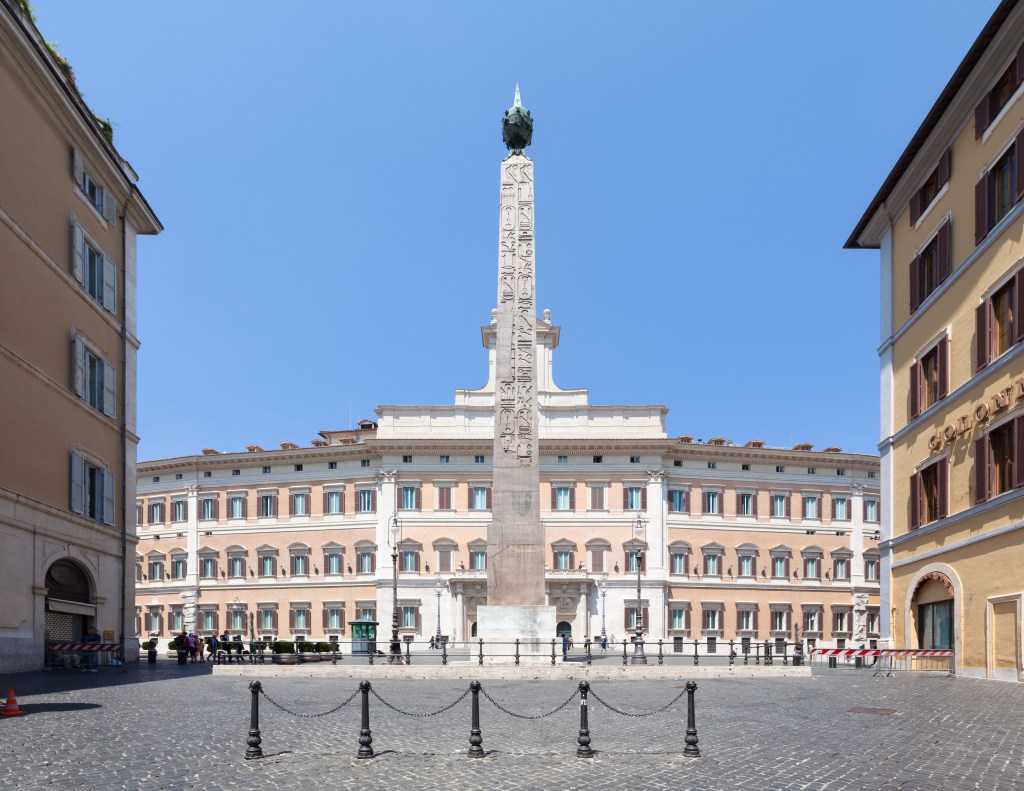
So, we won’t be staying there for long. Instead we will make for the great Egyptian obelisk that stands almost next door in the Piazza Montecitorio, outside one of the Italian parliament buildings. It’s now the great centre piece of the square, but – specially brought from Egypt – it was originally the vast gnomon (the standing stick) of a colossal “sundial” constructed nearby by the emperor Augustus (which must rank as one of the biggest “sundials” ever erected anywhere).
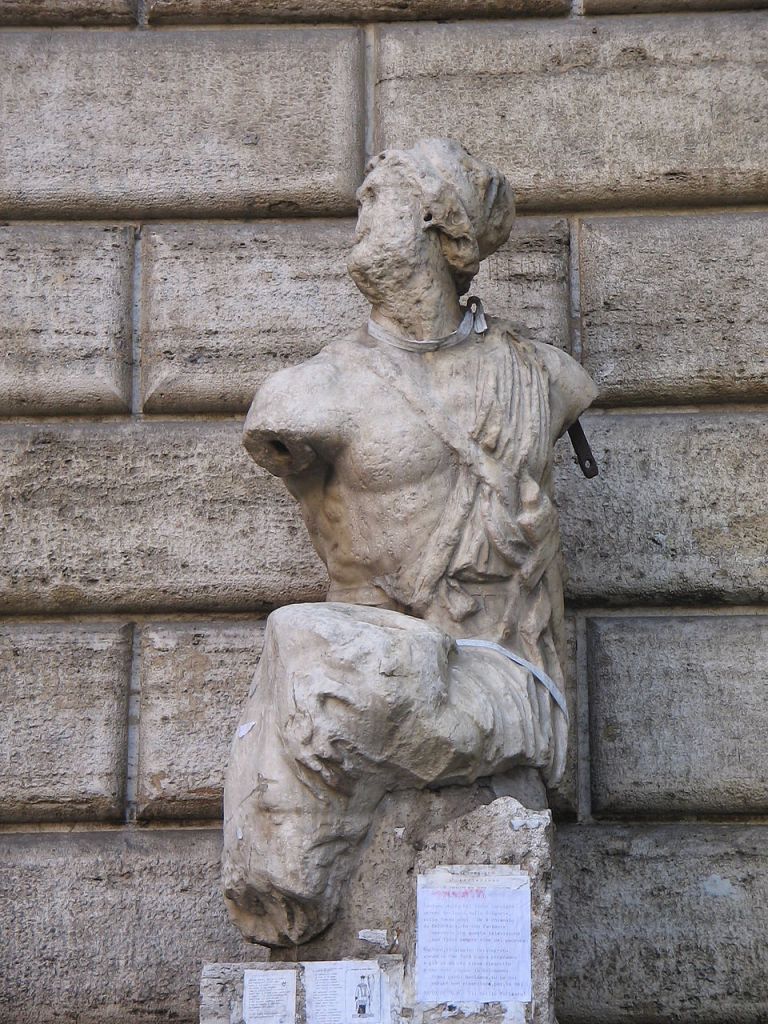
We’ll then end up in the Piazza Navona, which is built directly over the stadium (running track) built by the emperor Domitian: the shape of the piazza mirrors exactly the shape of the original stadium. There’s another obelisk in the fountain in the middle, but this time not a reused ancient Egyptian monument, but one commissioned by Domitian from the Egyptian quarries and brought to Rome (it may also have been part of the sanctuary of Isis and Serapis). Just on the south side of the piazza, though, we will finish with the battered ancient statue (known as the “Pasquino”) standing in a small square – famous for attracting posters, jokes and squibs posted onto it from the sixteenth century, including plenty of political critique. It’s the origin of the English word “pasquinade”.
So that’s my bespoke tour. Do try it (you’ll pass plenty of bars and restaurants, if you need a rest).
The post Ancient Rome in an hour appeared first on TLS.