

By Sprite Gravier
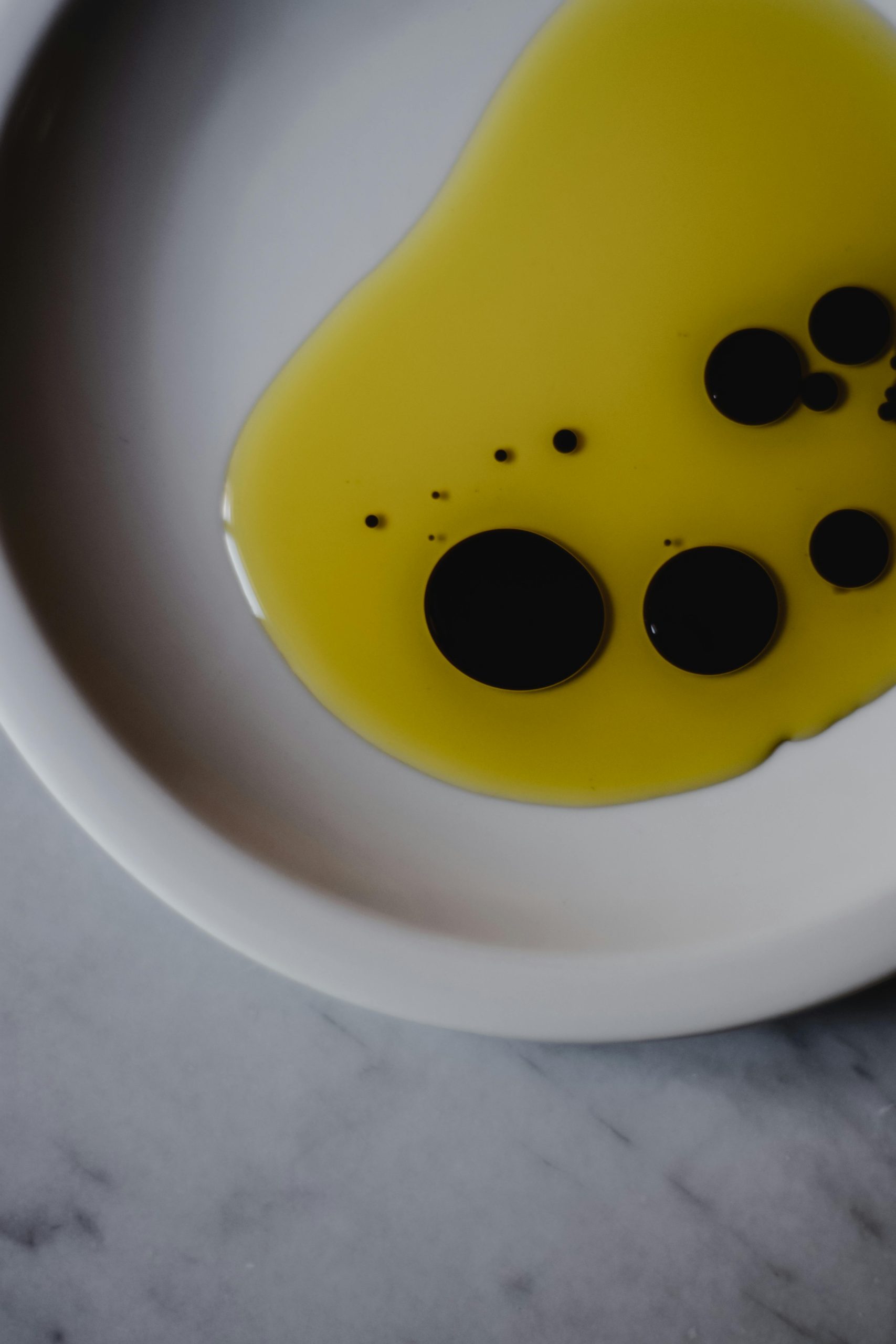
 In the shadowy corners of the culinary world, where flavor is forged in patience and alchemy, one ingredient reigns with quiet intensity: balsamic vinegar. It’s not just a condiment—it’s a legacy. A dark, syrupy whisper of history that has traveled from the barrels of Modena to the spice racks of avant-garde kitchens. This is balsamic vinegar: the secret ingredient that transforms the ordinary into the unforgettable.
A Legacy in a Bottle
Balsamic vinegar’s story begins in Emilia-Romagna, Italy, particularly in Modena and Reggio Emilia, where it was first crafted as early as the Middle Ages. Originally reserved for nobility, it was considered a gift worthy of kings and a symbol of wealth and refinement. Unlike other vinegars, balsamic is made from freshly crushed grape juice (must), not wine. The must is slowly cooked down and aged—sometimes for decades—in a series of wooden barrels, each imparting its own character.
The result? A complex, velvety elixir with notes of fig, cherry, molasses, and wood smoke. Traditional balsamic vinegar (Aceto Balsamico Tradizionale) is protected by D.O.P. status and can cost hundreds of dollars per bottle. More accessible versions, like balsamic vinegar of Modena, blend aged vinegar with wine vinegar and are aged for shorter periods—but still carry the soul of the original.
From Artisan to Market
Balsamic vinegar has evolved from a regional treasure to a global commodity. In the 20th century, industrial production made it more widely available, and today it’s traded across continents. Yet, the market remains stratified: from mass-market bottles to artisanal gems aged for 25 years or more.
Its popularity surged with the rise of Mediterranean cuisine and health-conscious eating. Chefs and home cooks alike discovered its versatility—not just as a salad dressing, but as a glaze, marinade, reduction, and even dessert drizzle.
Health Benefits: More Than Just Flavor
Balsamic vinegar isn’t just delicious—it’s nutritionally potent. It contains:
- Antioxidants from grapes, which help fight cell damage.
- Acetic acid, which may aid digestion and stabilize blood sugar.
- Low calories, making it a flavorful alternative to heavier sauces.
Some studies suggest it may support heart health and weight management, though moderation is key due to its acidity and sugar content in some commercial versions.
Pairing Alchemy: Sweet, Savory, and Surprising
Balsamic vinegar is a master of contrast. It pairs beautifully with:
- Savory: roasted meats, grilled vegetables, aged cheeses.
- Sweet: strawberries, peaches, vanilla ice cream.
- Unexpected: cocktails, dark chocolate, even Cuban black beans.
Its ability to bridge flavor profiles makes it a favorite among experimental chefs and traditionalists alike.
Recipe: Cuban Black Beans with Balsamic, Cumin & Bay
This twist on a Cuban classic uses balsamic vinegar to deepen the earthy richness of black beans, adding a subtle sweetness and tang that elevates the dish.
Ingredients:
- 2 cups cooked black beans (or 1 can, drained and rinsed)
- 1 tbsp olive oil
- 1 small onion, finely chopped
- 3 cloves garlic, minced
- 1 tsp ground cumin
- 2 bay leaves
- 2 tbsp balsamic vinegar
- ½ tsp smoked paprika (optional)
- Salt and pepper to taste
- ½ cup vegetable broth or water
- Fresh cilantro or parsley for garnish
Instructions:
- In a saucepan, heat olive oil over medium heat. Sauté onion until translucent, about 5 minutes.
- Add garlic, cumin, and smoked paprika. Stir until fragrant.
- Add black beans, bay leaves, broth, and balsamic vinegar. Stir well.
- Simmer uncovered for 15–20 minutes, allowing flavors to meld and liquid to reduce slightly.
- Season with salt and pepper. Remove bay leaves.
- Garnish with fresh herbs and serve over rice, with plantains, or as a side to grilled meats.
Conclusion: The Alchemy of Balsamic
In the creative underworld of cuisine, balsamic vinegar is the quiet sorcerer—transforming dishes with depth, mystery, and a whisper of history. Whether aged for decades or dashed into a weeknight recipe, it remains a testament to the power of patience, tradition, and bold experimentation.
So next time you reach for that dark bottle, remember: you’re not just seasoning—you’re summoning centuries. ♦