
Yesteryear

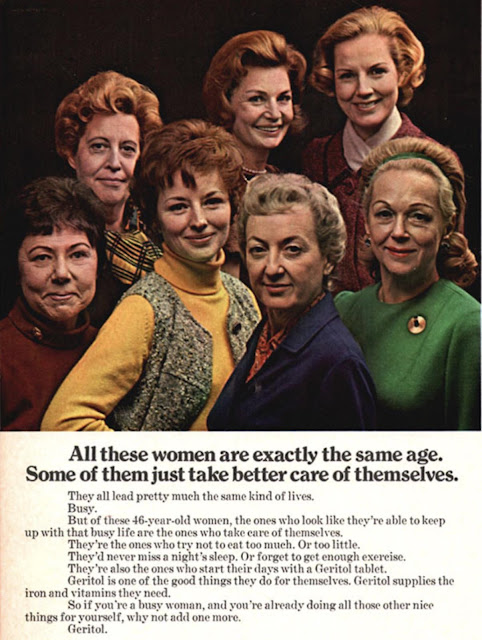
Ad for Geritol (1971) – All of These Women Are Allegedly 46!

Ad for Geritol (1971) – All of These Women Are Allegedly 46!

This image is from a controversial Geritol advertisement published around 1971 that sparked significant discussion about aging, health, and societal beauty standards for women.

The advertisement features several women who were all exactly 46 years old at the time the ad ran. The text implies a stark contrast between those who “take better care of themselves” and those who do not, linking better self-care to a more youthful appearance and a continued “busy” life.
Geritol, a vitamin and iron supplement, is presented as one of the “good things” that the more vibrant-looking women do for themselves to get the necessary iron and vitamins, suggesting it is a key to maintaining energy and a youthful look.
The ad generated considerable public discussion and later became a symbol of ageism and the beauty pressures faced by women in the mid-20th century. Viewers at the time, and those reflecting on the ad decades later, often noted that factors like hairstyles, makeup standards, sun exposure, and widespread smoking habits in the era contributed significantly to the perceived differences in appearance, more so than just a vitamin supplement.
read more
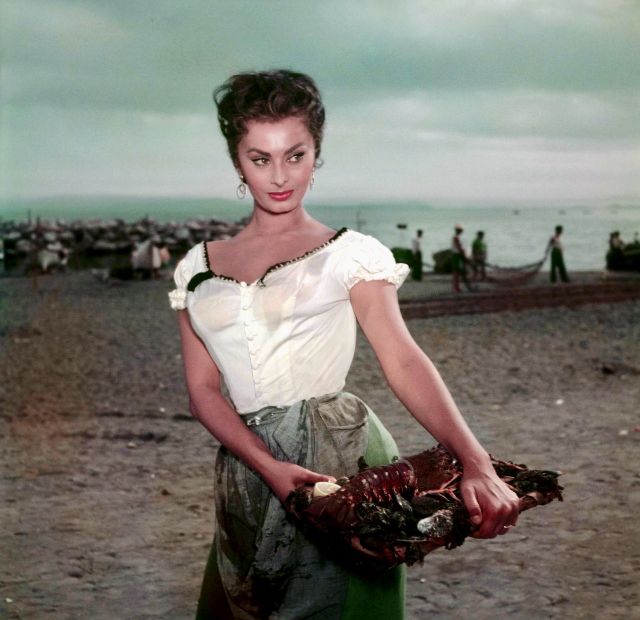
Beautiful Portraits of Sophia Loren From “Scandal in Sorrento” (1955)

Beautiful Portraits of Sophia Loren From “Scandal in Sorrento” (1955)

Scandal in Sorrento (original Italian title: Pane, amore e…, meaning “Bread, Love and…”) is a delightful 1955 Italian comedy film directed by Luigi Comencini. It serves as the third installment in the popular “Bread, Love” film series and notably marks a shift in the central cast and setting.

The film stars the iconic Sophia Loren as Sofia, a beautiful and feisty fishmonger, opposite the celebrated Vittorio De Sica as Marshal Antonio Carotenuto. This time, the action moves from the mountainous villages of previous installments to the picturesque coastal town of Sorrento. The plot revolves around Marshal Carotenuto’s attempts to woo the desirable Sofia, encountering comedic complications and romantic competition along the way.
Scandal in Sorrento is famed for its stunning Mediterranean scenery, Loren’s undeniable charisma, and its perfect embodiment of the lighthearted commedia all’italiana (comedy Italian style) genre. Take a look at these beautiful photos to see portraits of Sophia Loren during the filming of Scandal in Sorrento in 1955.

See more »

read more
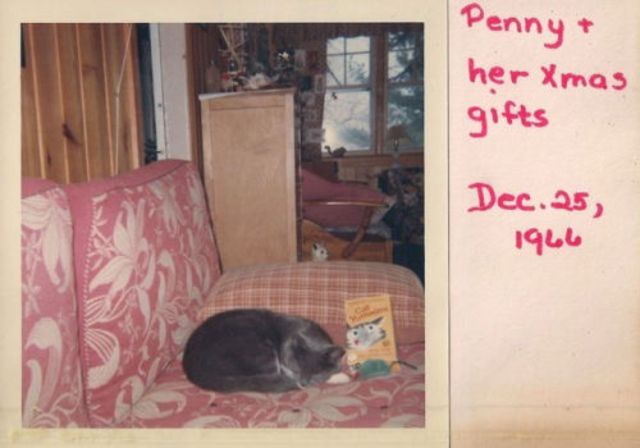
30 Polaroid Shots of Pets at Home During Christmas in the Mid-20th Century

30 Polaroid Shots of Pets at Home During Christmas in the Mid-20th Century

In the mid-20th century, taking photos of pets at home during Christmas became popular for several overlapping cultural, technological, and emotional reasons.

The development of portable, user-friendly cameras (such as Polaroid cameras) and more readily available film in the mid-20th century allowed amateur photographers to take spontaneous, candid snapshots in their own homes. This made capturing informal, personal moments, like a pet under the Christmas tree, much easier than in the earlier, more formal studio photography era that required long exposure times.
Christmas was, and is, a peak “ideal moment of celebration” where families focus on home and domestic life. Photographs of pets among the festive decor served to document these cherished family memories and the warmth and comfort of the household.

See more »

read more
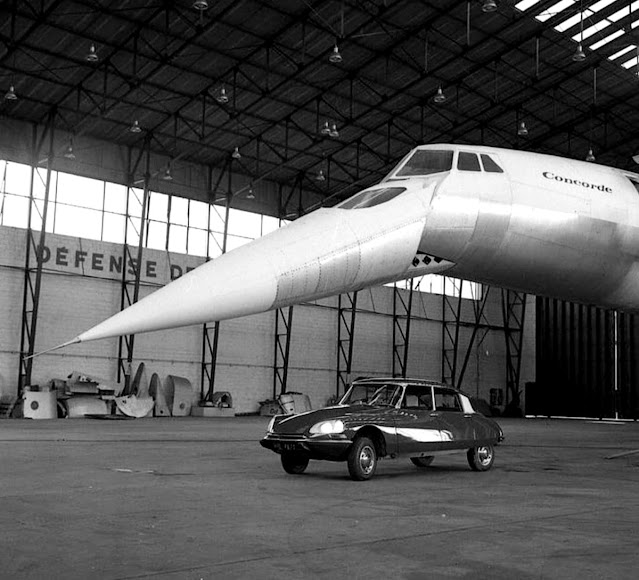
Iconic Photos of Concorde and a Citroën DS Taken at Le Bourget Airport in 1969

Iconic Photos of Concorde and a Citroën DS Taken at Le Bourget Airport in 1969

The iconic photoshoot of the Concorde 001 prototype and a Citroën DS at Le Bourget Airport in 1969 was a publicity shoot intended to highlight French technological and design ingenuity. The photos were taken around the time of the 1969 Paris Air Show, where both the French-built Concorde prototype (F-WTSS) and the British prototype were publicly presented for the first time. These images served as a powerful marketing tool, pairing two groundbreaking French engineering and design icons to celebrate national pride and technological advancement.

Concorde 001 was the first Concorde prototype to fly, having made its maiden flight from Toulouse on March 2, 1969, just months before the air show. It represented the pinnacle of supersonic aviation technology.
Known affectionately as the “Goddess,” the Citroën DS was an iconic French executive car produced between 1955 and 1975. It was renowned for its futuristic design, innovative self-leveling hydropneumatic suspension, and use of advanced materials, symbolizing a different kind of technological marvel on the road.
The pairing was deliberate. Both were seen as bold, design-forward examples of French engineering that pushed the boundaries of what was considered possible in transportation at the time.

See more »

read more
Elsa Martinelli: A Timeless Symbol of Italian Glamour

Elsa Martinelli: A Timeless Symbol of Italian Glamour

Elsa Martinelli (1935–2017) was an iconic Italian actress and fashion model who rose to international fame in the mid-1950s. Known for her striking, unconventional beauty and effortless elegance, she was initially discovered by Kirk Douglas, who cast her opposite him in the 1955 western film The Indian Fighter, effectively launching her acting career.

Martinelli successfully transitioned from high fashion modeling into cinema, starring in both European and American productions. Her most notable roles include playing the sophisticated Princess in Howard Hawks’ comedy Hatari! (1962), alongside John Wayne, and winning the Silver Bear for Best Actress at the Berlin Film Festival for the Italian film Donatella (1956).
Throughout the 1960s, Martinelli epitomized the glamorous and modern Italian woman on the global stage, becoming a symbol of the swinging, international jet-set lifestyle.

See more »

read more
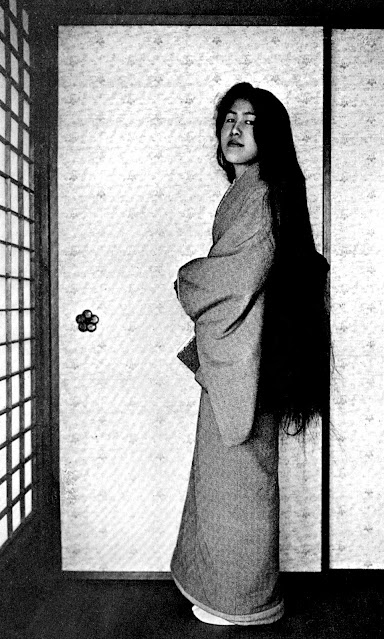
A Geisha Poses for a Photo After Washing Her Hair, and Before Styling It, ca. 1910

A Geisha Poses for a Photo After Washing Her Hair, and Before Styling It, ca. 1910

Photographed by Herbert Ponting in 1910, this rare image shows a geisha in a private moment after washing her hair, before her elaborate coiffure and makeup were applied. Stripped of her iconic appearance, she appears human and vulnerable. Geisha, trained in music, dance, and etiquette, embodied cultural artistry, not romance. Though their numbers are fewer today, Kyoto’s districts keep their tradition alive, and Ponting’s photo preserves a fleeting glimpse of their hidden lives.

Herbert Ponting, who was known for his work in Japan before joining the Antarctic expeditions, published the photo in his 1910 book In Lotus-Land Japan. The image resonated with a Western audience fascinated by Japanese culture (Japonisme) and the mysterious world of the geisha.
read more
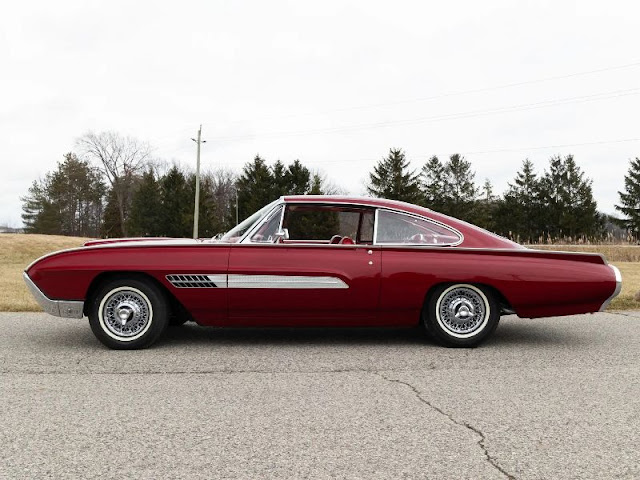
Amazing Photos of the 1963 Ford Thunderbird Italien Concept Car

Amazing Photos of the 1963 Ford Thunderbird Italien Concept Car

The 1963 Ford Thunderbird Italien was a one-of-a-kind concept vehicle that perfectly embodied Ford’s desire to blend American power with sophisticated European styling.

Starting life as a standard 1962 Thunderbird convertible, the car was dramatically transformed by Dearborn Steel Tubing (DST) to be featured in Ford’s traveling “Custom Car Caravan.” The Italien’s most distinctive feature was its sleek fastback roofline and fiberglass bodywork, replacing the convertible top. It boasted a Ferrari-inspired front grille, unique trim, and a sumptuous interior featuring luxurious leather upholstery. Finished in an eye-catching Deep Candy Apple Red paint, this show car captivated audiences with its combination of American muscle (powered by a 390 cubic inch V8) and the elegant, fluid lines reminiscent of contemporary Italian design.
The Italien appeared at the 1964-1965 World’s Fair and was featured on the June 1963 cover of Speed and Custom magazine. Though never mass-produced, it left a lasting impression on Ford’s subsequent styling efforts and remains a highly sought-after piece of automotive history.

See more »

read more
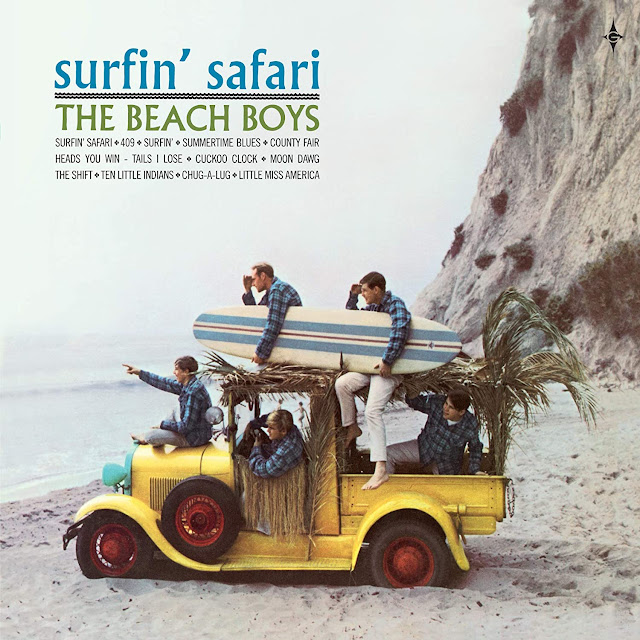
Outtake Photos of the Beach Boys at Paradise Cove in Malibu for Their “Surfin’ Safari” Album Cover, 1962

Outtake Photos of the Beach Boys at Paradise Cove in Malibu for Their “Surfin’ Safari” Album Cover, 1962

The Beach Boys’ debut album, Surfin’ Safari, was released in October 1962. It was different from other rock albums of the time in that it consisted almost entirely of original songs, primarily written by Brian with Mike Love and friend Gary Usher. Another unusual feature of the Beach Boys was that, although they were marketed as “surf music,” their repertoire bore little resemblance to the music of other surf bands, which was mainly instrumental and incorporated heavy use of spring reverb. For this reason, some of the Beach Boys’ early local performances had young audience members throwing vegetables at the band, believing that the group were poseurs.

In January 1963, the Beach Boys recorded their first top-ten single, “Surfin’ U.S.A.”, which began their long run of highly successful recording efforts. It was during the sessions for this single that Brian made the production decision from that point on to use double tracking on the group’s vocals, resulting in a deeper and more resonant sound. The album of the same name followed in March and reached number 2 on the Billboard charts. Its success propelled the group into a nationwide spotlight, and was vital to launching surf music as a national craze, albeit the Beach Boys’ vocal approach to the genre, not the original instrumental style pioneered by Dick Dale.
The cover for the album was shot at Paradise Cove, north of Malibu, in August of 1962 by Capitol Records’ in-house photographer Ken Veeder. The band members wore their own casual attire, specifically the now-iconic Pendleton wool shirts that were popular in the surfing scene at the time (the group was even initially called “the Pendletones”). The longboard featured prominently in all the photos, including the final cover and numerous outtakes, belonged to Dennis Wilson. He was the only actual surfer in the group and was the inspiration for the band’s initial surf-centric direction.
The photoshoot was so successful that many outtakes from the 1962 session were used again for the cover of their third album, Surfer Girl, released the following year in 1963.

See more »

read more
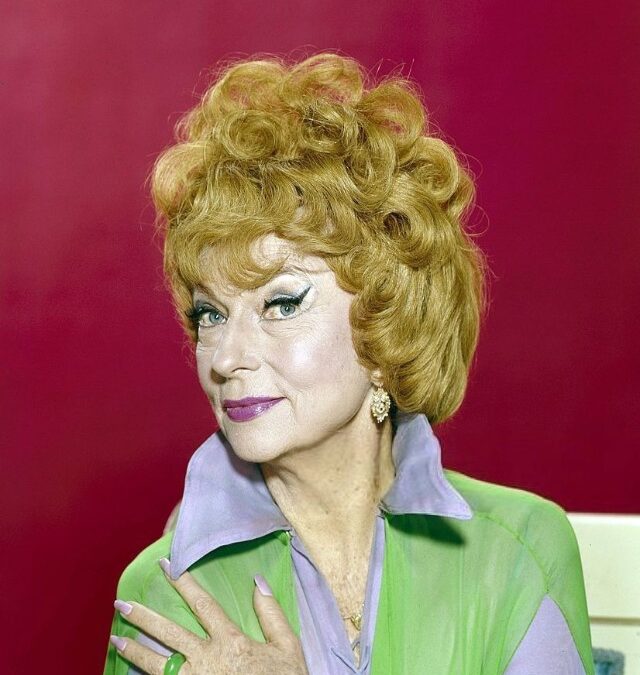
40 Fabulous Portraits of Agnes Moorehead as Endora on the ABC Sitcom “Bewitched”

40 Fabulous Portraits of Agnes Moorehead as Endora on the ABC Sitcom “Bewitched”

Endora, played by Agnes Moorehead (December 6, 1900 – April 30, 1974), was one of the standout characters on the beloved 1960s television show Bewitched, which originally aired from 1964 to 1972. As the mother-in-law of the main character, Samantha Stephens, Endora was a powerful witch with a flair for the dramatic. Known for her mischievous nature, stylish wardrobe, and sharp tongue, she added a layer of complexity and humor to the series. Moorehead’s portrayal of Endora was widely praised for its charm and depth, making the character unforgettable for viewers. The character’s witty one-liners and magical antics helped to solidify Bewitched as one of the most iconic television series of the 1960s.

Endora was known for her flamboyant, colorful, flowing outfits, dramatic eye makeup, and distinctive look, which set her apart from the suburban setting of the show. In the first two black and white seasons, her makeup was less noticeable, but it became a signature part of the character in color episodes. Moorehead delivered her lines with razor-sharp precision and perfect articulation, often providing much of the show’s comedy through her disdain for mortals, particularly her son-in-law, Darrin Stephens.
The core of her character was her magical interference in the life of her daughter, Samantha (Elizabeth Montgomery), and her constant efforts to convince Samantha to leave her mortal husband. Endora rarely addressed Darrin by his correct name, calling him “Durwood,” “Duncan,” “Dustbin,” and other incorrect names.
Moorehead imbued Endora with depth, color, and personality, blending comedy with occasional deeper themes, such as an episode where Endora protested the use of ugly witch stereotypes in a Halloween ad campaign.
Moorehead initially had little enthusiasm for the sitcom format, preferring her extensive work in radio and film, including classic movies like Citizen Kane and The Magnificent Ambersons. She had actually auditioned for the title role in Hazel before being offered the part of Endora. Despite her initial reservations, she came to like playing Endora very much. The role provided her with a consistent and lucrative income for eight years (1964–1972) and allowed her to achieve the widespread recognition she always desired.
Her performance earned her six nominations for the Primetime Emmy Award for Outstanding Supporting Actress in a Comedy Series. Moorehead’s portrayal of Endora created one of the most memorable characters in television history, solidifying her legacy as an icon of the golden age of television.

See more »

read more
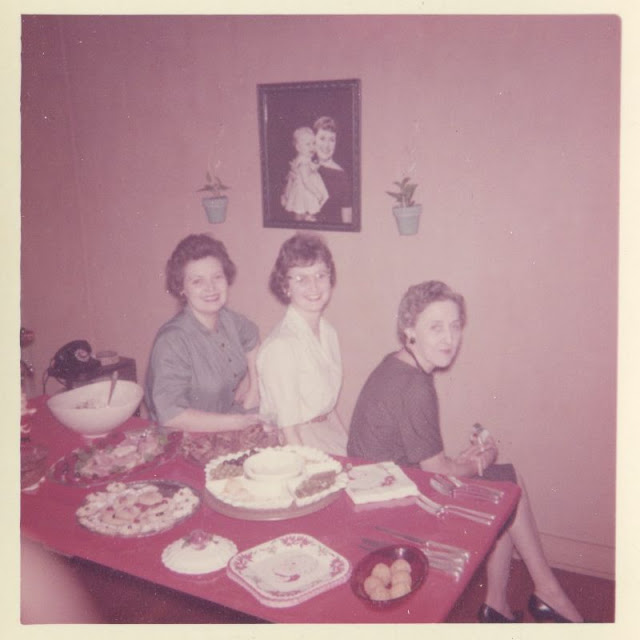
Beautiful Christmas Snaps of an American Family in 1960

Beautiful Christmas Snaps of an American Family in 1960

Christmas photos taken of an American family in 1960 offer a wonderful glimpse into the post-war suburban dream, perfectly encapsulating the era’s vibrant yet somewhat formal holiday aesthetic. The focus often centered on the tree, typically adorned with thick tinsel (or icicles) and large, multi-colored bubble lights.

Family members, often dressed in their best clothes: ladies in tailored dresses or neat slacks, and men in suits or pressed shirts, posed with an air of pleasant formality. The snapshots, frequently taken on color film, capture the excitement of unwrapped gifts, the festive glow of the fireplace, and the general feeling of domestic prosperity and quiet celebration that defined the start of the new decade.
These snapshots from Spicer capture beautiful Christmas moments of the Byrd family in Beaumont, Texas in 1960.
Diane, Pat and Magaret (Pat and Becky in the portrait), Christmas 1960

Alice Byrd and Reba Sonnier, Christmas 1960

Becky and Sara, Christmas 1960

Becky Byrd and Sara Shub, alliterative cousins, Christmas 1960

Becky Byrd, Christmas 1960

See more »

read more