

Creative Underworld Reviews:
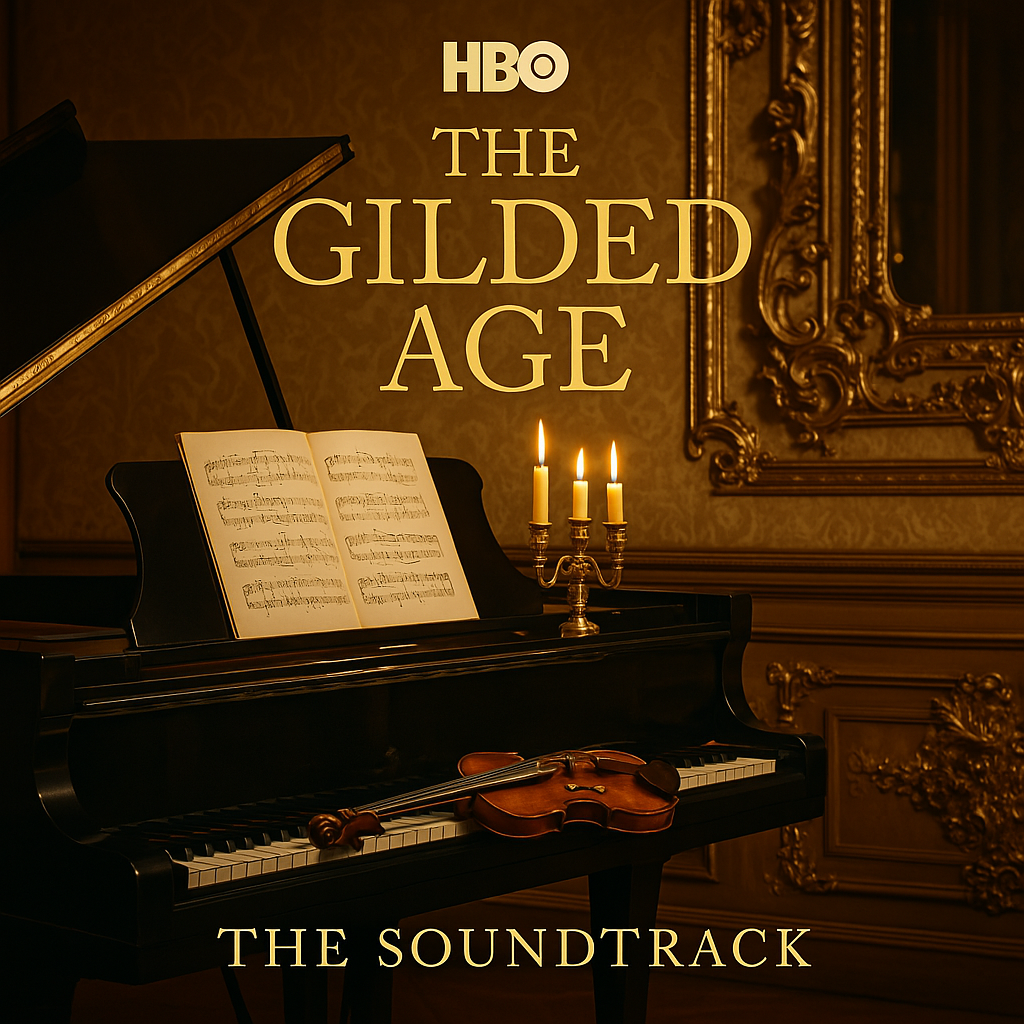
The Gilded Age Main Title Theme
Orchestral Opulence: A Sonic Manifesto of Ascension
Where Marble Meets Machinery
From the first shimmering note, the main title theme of The Gilded Age doesn’t ask for your attention—it commands it. Composed by brothers Harry Gregson-Williams and Rupert Gregson-Williams, the score is a gilded overture to a world where power is ornamental and ambition is symphonic. It’s not just music—it’s architecture in motion, a sonic chandelier swinging over a staircase built from secrets.
The Gregson-Williams brothers, both Emmy-nominated composers with pedigrees in cinematic grandeur (The Crown, Shrek, The Martian), reunited for this HBO series after their collaboration on Catch-22. With nearly six hours of music composed across the first seasons ten episodes, they approached the score not as background, but as undercurrent driving the plot.
The Vivaldi Vein: Baroque, But Brutal
The theme’s DNA is unmistakably Baroque. There are echoes of Antonio Vivaldi in its rhythmic propulsion, ornamented strings, and harmonic clarity. But this isn’t The Four Seasons—it’s The Four Schemes. The Gregson-Williamses channel Vivaldi’s lyrical orchestrations and electrifying bow work, but they lace them with tension, urgency, and modernity.
Where Vivaldi’s music danced, this theme marches. It’s Baroque with a vendetta. The strings don’t just flutter—they clatter, mimicking the sound of train tracks and industrial progress. The harpsichord-like figures are less courtly than calculated, evoking not Versailles but Fifth Avenue with a ledger.
Dynasty in the Drawing Room
There’s a delicious nod to 1980s soap operas—Dynasty, Falcon Crest, Dallas—in the theme’s emotional voltage. The crescendos feel like power entrances. The melody ascends but rarely resolves, mirroring Bertha Russell’s climb through society: always rising, never arriving.
The score is nouveau riche with a doctorate in orchestration. It’s not just dramatic—it’s strategic. Every flourish is a flex. Every pause is a threat.
Instrumentation as Subtext
The Gregson-Williamses didn’t settle for a traditional orchestral palette. They layered in:
- Hammered dulcimer and kantele for unexpected texture
- Ukulele for tonal contrast
- Percussive strings to evoke locomotion and tension
- Brass swells to suggest looming industrial power
These choices weren’t decorative—they were deliberate disruptions. The dulcimer, for instance, adds a metallic shimmer that feels like a chandelier trembling under the weight of secrets. The brass doesn’t announce—it warns.
Character Motifs: A Tale of Two Households
The score distinguishes between the Russells and the van Rhijns with surgical precision:
- Russell themes are bold, rhythmic, and forward-moving—mirroring Bertha’s ambition and George’s industrial empire.
- Van Rhijn themes are slower, traditional, and restrained—evoking nostalgia, rigidity, and resistance to change.
This duality isn’t just musical—it’s ideological. The Russells are scored like a train. The van Rhijns like a parlor. And the tension between them is the show’s heartbeat.
Production Process: Across Continents, Across Eras
Harry worked from Los Angeles, Rupert from London. Their collaboration was transatlantic, much like the show’s themes. According to Variety, they were drawn to the project’s emotional complexity and historical scope, aiming to create music that felt “grand and sweeping, but also intimate and character-driven.”
They composed with the understanding that the score had to reflect not just the era, but the emotional architecture of each character. Bertha’s music had to climb. Marian’s had to hesitate. Peggy’s had to pulse with clarity.
The Theme as Thesis
The main title theme isn’t just an introduction—it’s a manifesto. It declares that this world is built on momentum, not manners. That beauty is a weapon. That silence is strategy.
It’s a sonic portrait of a society gilded in ambition and rotting in restraint. The strings whisper about reputation. The brass declares empire. And the tempo itself mirrors the thrust of an age where elegance was measured not in serenity, but in social velocity.
Final Cadence
In the end, the theme is less music than mirror. It reflects the characters’ desires, disguises, and delusions. It’s Vivaldi with a stock portfolio. It’s Bach with a railroad. It’s a chandelier swinging over a staircase—and if you listen closely, you’ll hear it creak. ♦