

Fritz Geller-Grimm, CC BY-SA 2.5, via Wikimedia Commons
For our series Making of a Poem, we’re asking poets and translators to dissect the poems they’ve contributed to our pages. Joyelle McSweeney’s “My Fortune” appears in our new Spring issue, no. 255.
How did this poem start for you?
For about a year I found the news so bleak that I turned away from the present tense and made myself a connoisseur of Fortune—the grave goods packed into the Pharaoh’s tomb—his mask, his cats, his casket. From the window of my phone, from the cold black cell of my wakefulness, I would watch rival Egyptologists make competing cases, revolving algorithmically, in and out of view. I watched Cocktails with a Curator, a series of hypererudite videos recorded by Frick Gallery staff from their apartments in New York at the height of lockdown, replayed now in sequence like a journal of the plague year—this swain, his lover, this horse, his Polish rider, this hat, this collar, this pearl. This vial. This tipsy lethal cup.
One night, prowling among my treasures in the dark like a crone-ghost or crow, I saw a glittering promotion for some past Sotheby’s or Christie’s auction of a priceless silver service from the eighteenth century. It was laid out on a dark dining table, where you would expect to see such things in use, yet the pieces were crammed on all together, at once, as you never would expect to see them—all the tureens, all the platters, all the chargers, all the salts. And they were thickly lit, from every angle, as you would also never see in life. The light rinding the silver was unnatural, strange, dead. Some lord had lost his fortune.
When I lost My Fortune, mo stóirín, my little treasure, I felt my whole body twist as in a snare or cinch as I entered my next life—not a life I wanted, not a life anyone would want. Blinking like a stuck drain at all the dead treasure laid out on the table, I thought about figures from Ovid’s Metamorphoses, how they turn at the torso as their new life begins, a life they couldn’t have thought of until they turned into the thought of it. A laurel. A reed. An echo. I wanted a poem that would turn like that, with snares and cinches, that would elapse very fast. I wanted the poem to drain through your fingers like sand.
This poem begins with a photograph of our daughter in the NICU, odi et amo. I love and hate it. Because that’s her face—her tubes, her mask, her tape. The poem drains through the shapes of the dead silver service, then through the figure of Venus’s ankle to a beach where fortune advances and retreats.
What was a particular formal challenge of this poem?
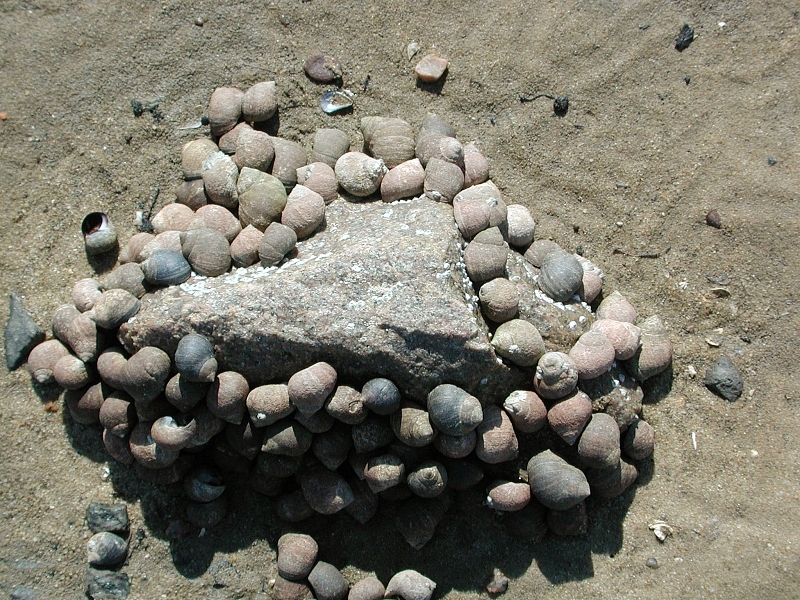
One challenge was to make the poem run out as quickly as possible, as when the tide runs away from the beach, leaves its litter, then rushes back to wipe out even that. The little periwinkles (Littorina littorea, that little litter, my treasure) catch last light then are knocked away. Maybe something else will rise. The stars will rise. The seas.
The most challenging thing about the poem was keeping the opening section this unguarded, keeping the unlovely repetition of the word thinking, as if to suggest a certain horror and immobility in the face of grave loss. Thought from every angle. The unnatural rind of thought.
Joyelle McSweeney is the author of Death Styles and the verse play Dead Youth, or, The Leaks, among other books. She teaches at the University of Notre Dame.